Generator Interlock Kit vs. Transfer Switch: The $70 Solution That Beats a $500 Subpanel

Relying on illegal suicide cords endangers utility linemen. Compare mechanical generator interlock plates against expensive transfer switches for whole-house backup power.
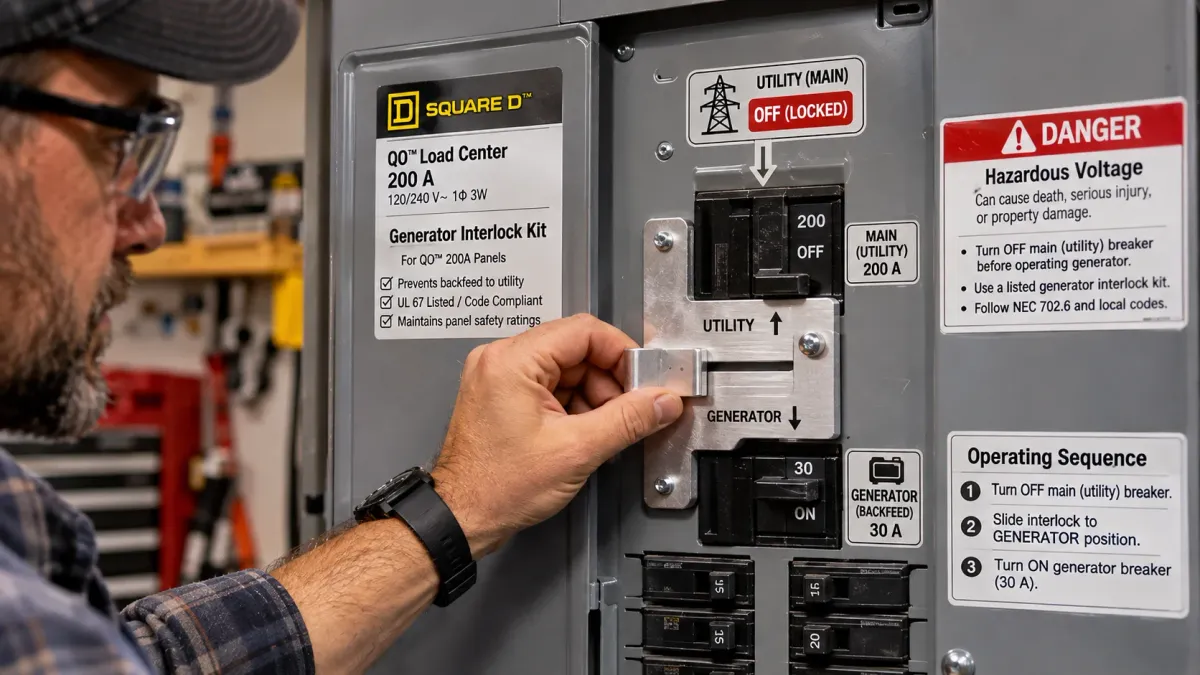
Table of Contents6 Sections
- 01.The Deadly “Suicide Cord”: Why You Must Never Backfeed an Outlet
- 02.Option 1: The Traditional Transfer Switch Subpanel (The Rigid Way)
- 03.Option 2: The Mechanical Interlock Kit (The Flexible Solution)
- 04.Step-by-Step Installation: From Outside Inlet Box to the Breaker
- 05.Whole-House Load Management: Don’t Stall Your Generator
- 06.Coordinating Your Workshop Electrical Infrastructure
A winter ice storm knocks out neighborhood electrical power at 11:00 PM on a freezing night. Your furnace fan stops spinning, pipes begin cooling down toward the burst point, and you find yourself standing in the dark garage running four separate extension cords from a noisy portable generator outside, snaking cables through a cracked garage walk-door that lets freezing draft air flood your home.
When homeowners look for a cleaner way to connect a portable generator to their house, electrical contractors frequently push them toward dedicated six-circuit manual transfer switches that cost between $1,200 and $2,000 with installation labor. Meanwhile, reckless online hacks advise fabricating a dangerous double-male extension cord to backfeed power through an ordinary clothes dryer receptacle.
I serviced commercial backup power plants and wired residential emergency panels across Ohio for decades. In this guide, I explain why illegal backfeeding creates lethal hazards for utility line crews, contrast traditional multi-circuit transfer switches against mechanical interlock plates, and show you how a seventy-dollar stamped steel bracket delivers safe, code-compliant power across your entire breaker panel.
Hank's Bottom Line on Home Generator Backup
- Mechanical interlock kits cost under $80 and power your ENTIRE electrical panel by selectively managing branch breakers.
- 6-circuit transfer switches cost $1,200+ installed and permanently lock you into only powering those 6 predetermined rooms.
- Never use double-male "suicide cords"; backfeed voltage steps up through neighborhood pole transformers to 7,200V, fatally electrocuting linemen working to restore power.
- Always install the exterior NEMA inlet box at least 20 feet away from garage walk-doors and soffits to prevent lethal CO poisoning.
The Deadly “Suicide Cord”: Why You Must Never Backfeed an Outlet
The OSHA portable generator safety guidelines warn clearly that backfeeding an unisolated panel endangers utility line workers miles down the grid. When utility power drops out, never rig a male-to-male extension cord to an ordinary dryer outlet.
Every winter storm produces dozens of dangerous DIY electrical hacks. Homeowners take a length of heavy rubber cable, attach a male three-prong plug to both ends, plug one end into their running portable generator, and plug the other end into a 240-volt clothes dryer or welder outlet in their garage.
In the electrical trade, this cable is known as a suicide cord, and using it constitutes a reckless, illegal safety violation under National Electrical Code (NEC) rules:
First, an energized male plug features exposed metal prongs carrying 240 volts of lethal current. If someone accidentally unplugs the cord while the generator runs, brushing against those bare brass prongs can cause fatal cardiac arrest.
Second, backfeeding power into an electrical panel without a mechanical disconnect sends electrical current backward through your utility meter out to the neighborhood power lines. The utility transformer on the street pole steps that 240-volt current back up to 7,200 volts, electrocuting utility lineworkers working down the street to repair downed storm lines.
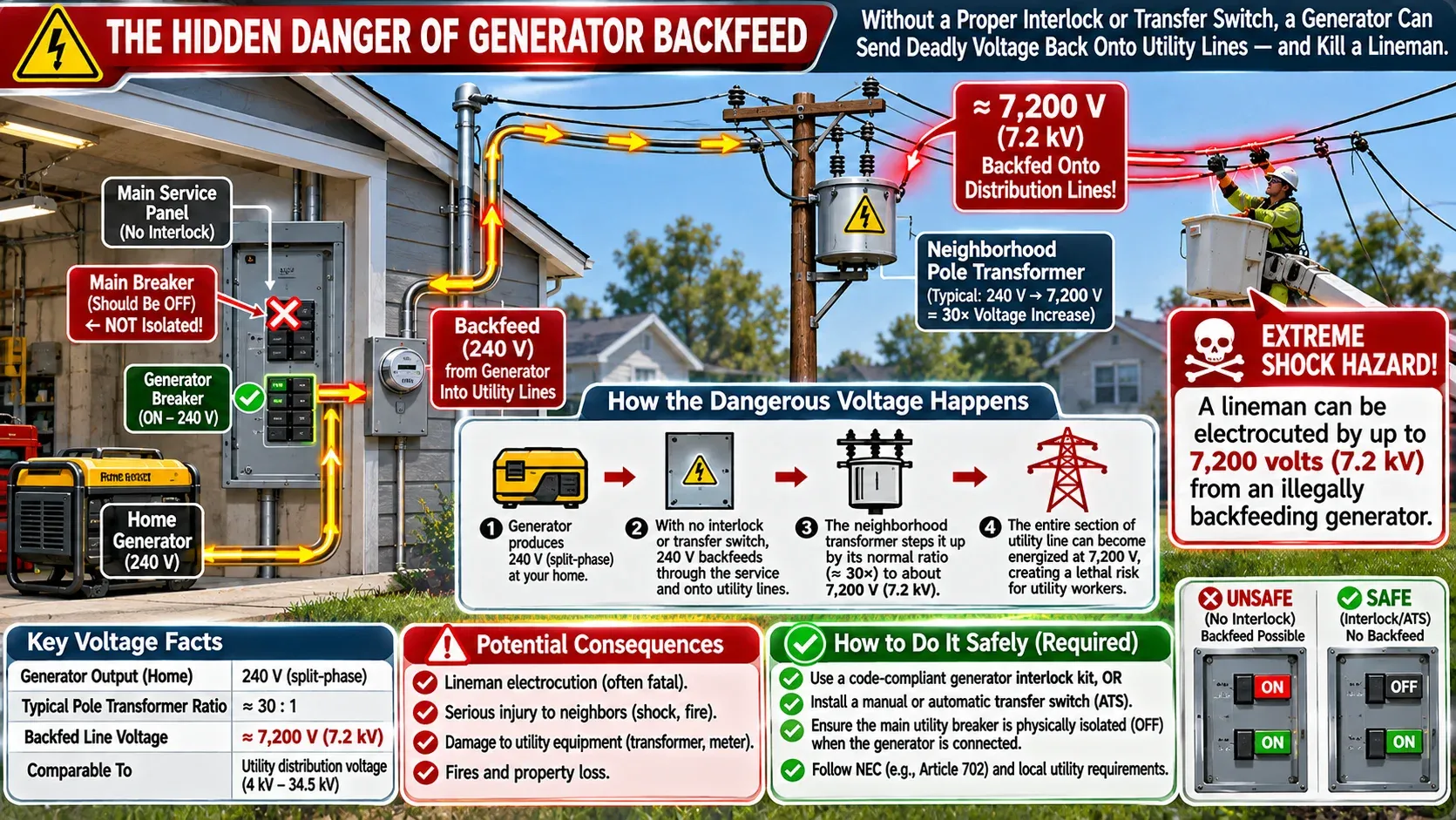
Life-safety electrical infographic illustrating deadly generator backfeed, showing home generator sending 240V back through utility lines stepping up to 7,200V through neighborhood pole transformer electrocuting utility lineman working on downed wires, bold red danger warnings.
Emergency Generator Connection Showdown: Suicide Cord vs. Transfer Switch vs. Interlock
Comparing legal safety compliance, hardware costs, circuit flexibility, and installation labor.
Dryer Outlet Backfeed (Suicide Cord)
Never under any circumstances
- Cheap upfront material cost
- Carries lethal live metal prongs and can kill utility workers on the street
Traditional Manual Transfer Switch Subpanel
Basements with zero breaker space in the main service panel
- Physically isolates selected circuits from main utility feed
- Locks you into a handful of pre-selected circuits with complex wiring
Mechanical Generator Interlock Kit
Whole-house selective load management on standard 100A or 200A panels
- Powers any circuit in the entire panel legally without rewiring branch circuits
- Requires two open breaker slots directly adjacent to the main breaker
Option 1: The Traditional Transfer Switch Subpanel (The Rigid Way)
A manual transfer switch subpanel is a separate metal enclosure installed adjacent to your main electrical panel. Inside are six, eight, or ten individual three-position toggle switches labeled Line, Off, and Gen.
During installation, an electrician must pull each individual branch circuit wire (such as the refrigerator, furnace blower, and kitchen lighting) out of your main panel and splice it into the transfer switch subpanel.
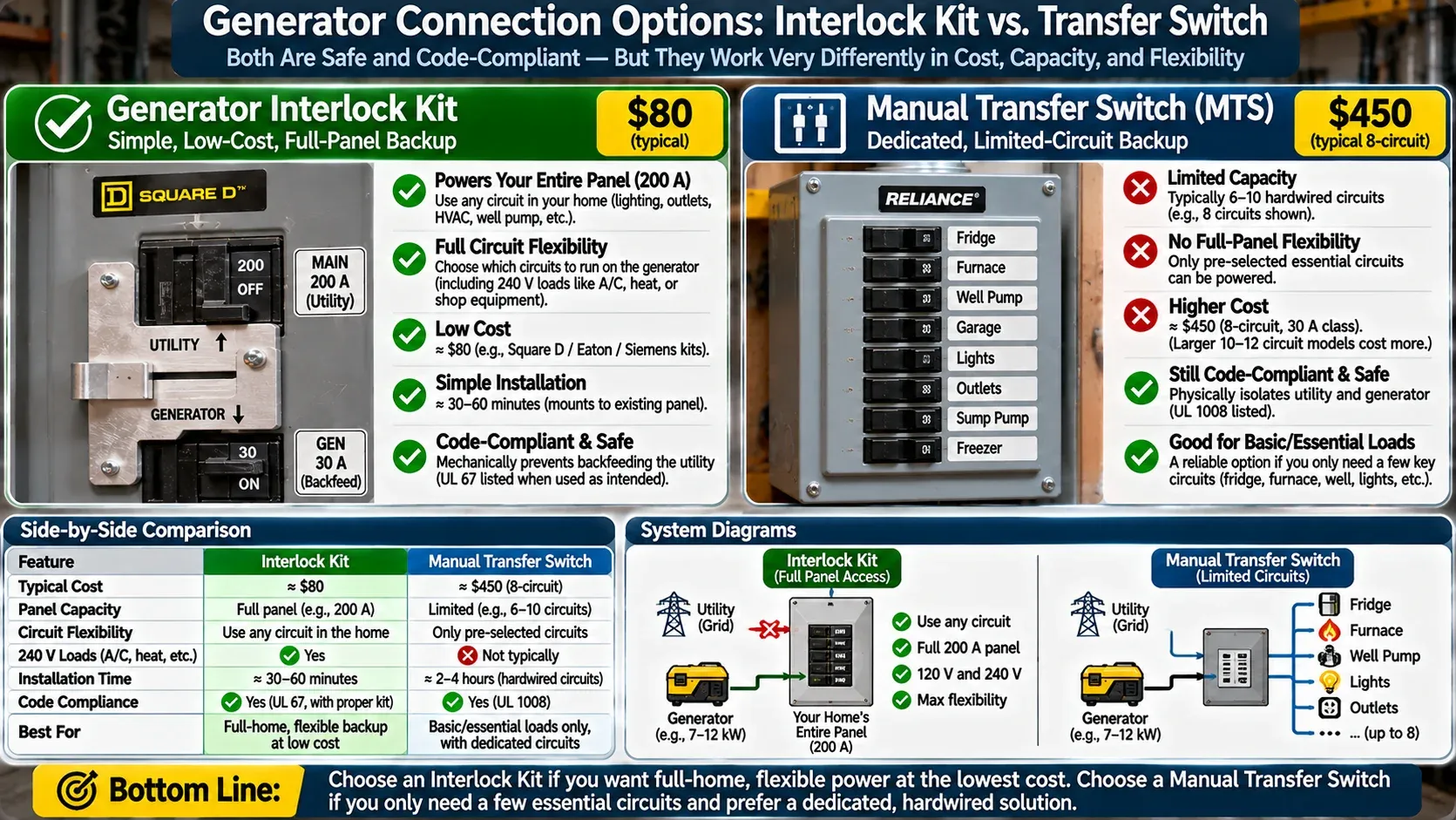
Comparative financial and functional infographic between generator interlock kit vs manual transfer switch, showing interlock kit powering entire 200A panel with complete circuit flexibility at $80 cost vs traditional transfer switch box limited to 8 hardwired circuits at $450 cost, clean modern data layout.
The drawback of this setup is rigidity: you are permanently locked into the specific circuits selected on installation day. If a summer hurricane hits and you want to shut off the furnace to power your workshop freezer or well pump instead, you cannot do so because those branch circuits were never hardwired into the transfer switch.
Outfitting and wiring a ten-circuit transfer switch involves dozens of individual wire nuts and conduit fittings, driving hardware and professional installation costs well past twelve hundred dollars.
Option 2: The Mechanical Interlock Kit (The Flexible Solution)
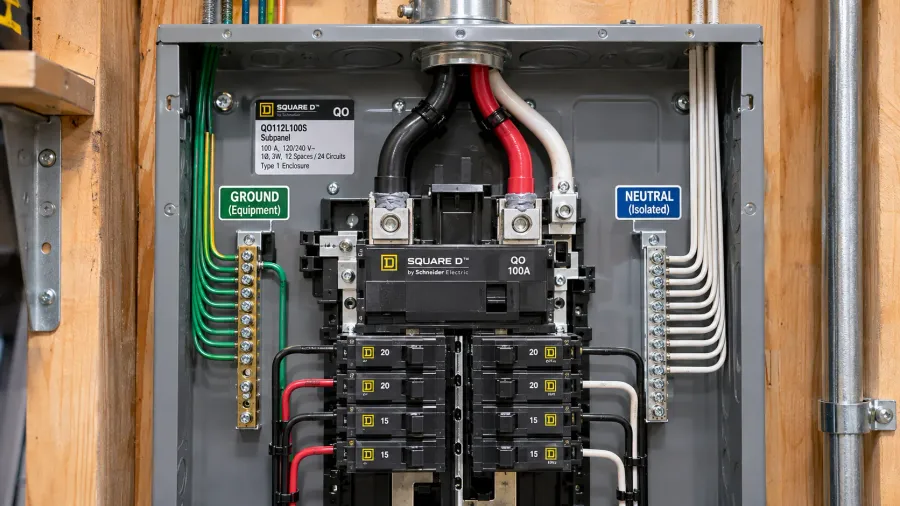
A mechanical generator interlock kit is an engineered sliding plate made of heavy anodized steel or aluminum that bolts directly to the deadfront cover of your existing electrical service panel.
The mechanical principle is brilliant in its simplicity:
- When your utility main breaker is switched ON, the sliding interlock plate is physically blocked from sliding upward, mechanically preventing your generator backfeed breaker from ever turning on.
- To turn your generator backfeed breaker ON, you must physically push the main utility breaker handle down into the OFF position. Only then can the steel interlock plate slide upward, clearing the path to turn your generator breaker on.
This simple mechanical lock eliminates 100 percent of the risk of accidental grid backfeeding, fully satisfying NEC Article 702.
The enormous advantage of an interlock kit is whole-panel flexibility. Because your generator feeds the main panel bus bars directly, you can power any circuit in your entire home.
You can turn on the furnace blower, keep your basement sump pump running, power garage lights, and watch television, selectively flipping individual breakers on and off at will, provided your total draw stays within your generator’s wattage envelope.
Step-by-Step Installation: From Outside Inlet Box to the Breaker
NEC Code-Compliant Interlock System Installation
Four-stage electrical installation from exterior generator inlet to panel deadfront bracket.
Exterior Power Inlet Box Mount
30 minsAnchor weatherproof NEMA L14-30 (30A) or CS6375 (50A) power inlet box to exterior garage wall at least 20 feet away from doors, windows, and soffit vents.
Conduit & 4-Conductor Feeder Pull
45 minsRun EMT or PVC conduit from inlet box to service panel. Pull four copper conductors: two hots, one neutral, and one equipment ground (#10 AWG for 30A, #6 AWG for 50A).
Dedicated Backfeed Breaker Install
20 minsSnap double-pole 30A or 50A breaker into top slots directly adjacent to main disconnect. Install NEC 408.36(D) breaker hold-down clamp.
Mount Mechanical Interlock Plate
25 minsTape steel template to panel deadfront, drill pilot holes, and fasten sliding bracket with locking hardware. Test smooth mechanical slide.
UL-certified physical lock preventing main and generator breakers from ever turning ON simultaneously.
Whole-House Load Management: Don’t Stall Your Generator
Because an interlock plate energizes your entire electrical panel, you must practice disciplined load management to avoid stalling your portable generator. A typical 7,500-watt running generator provides roughly 31 amps of continuous 240-volt power.
Before sliding your interlock plate and engaging generator power, switch every single branch-circuit breaker in your panel to the OFF position. Start the generator outside, allow the engine to stabilize at operating RPM, plug in the heavy generator cord, and switch the backfeed breaker ON.
Next, energize your branch circuits sequentially:
- Turn on critical base loads first: your heating system furnace blower, internet router, and LED lighting circuits.
- Turn on your primary kitchen refrigerator and wait five minutes for its compressor motor to complete its initial inductive starting surge.
- Keep heavy continuous 240-volt appliances switched completely OFF, including electric water heaters, central air conditioning compressors, clothes dryers, and electric vehicle charging stations.
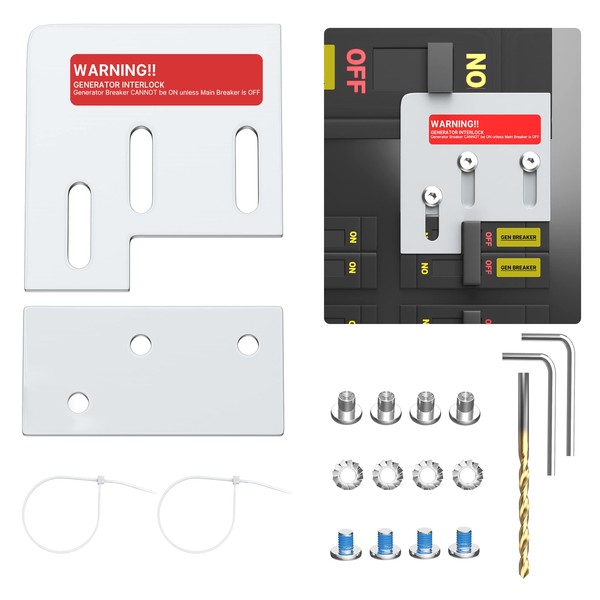
Generator Interlock Kit for Square D QO / Homeline / Siemens Panels
Best For: Code-compliant whole-house portable generator connection
Est. Price: $65 - $85
"The definitive, low-cost engineering upgrade that replaces expensive transfer switches with legal, reliable whole-panel backup power."
- +Heavy CNC-machined aluminum plate positively prevents simultaneous breaker engagement
- +Preserves 100 percent access to every branch circuit in your electrical panel
- +Fully satisfies NEC Article 702 life-safety electrical inspection requirements
- -Must be ordered specifically to match your exact panel brand and model number
- -Requires top two breaker spaces in panel directly adjacent to main switch
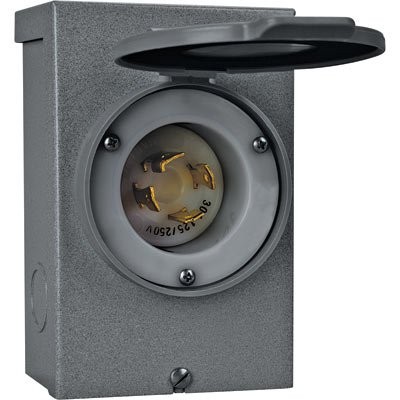
Reliance Controls PB30 30-Amp Weatherproof Power Inlet Box
Best For: Exterior wall connection point for portable generator cables
Est. Price: $48 - $58
"A rugged, heavy-duty outdoor connection box that keeps running generator exhaust far away from your living space."
- +NEMA 3R rain-tight metallic housing with spring-loaded weather flap
- +Standard NEMA L14-30P male twist-lock inlet accepts all 30A generator cords
- +Spacious internal wiring chamber features multiple knockouts for easy conduit entry
- -Inlet prongs require firm twist-lock engagement to prevent arcing
- -Must be mounted outside, never inside the garage, to ensure generator stays outdoors
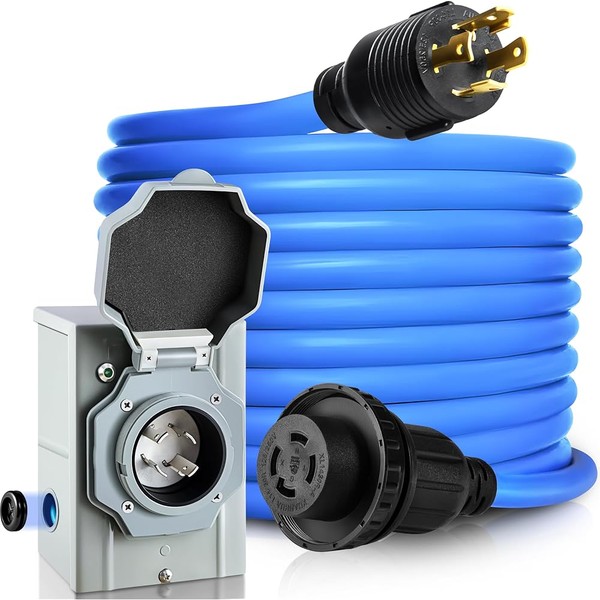
Iron Forge Cable 25-Foot 30-Amp 10/4 Heavy-Duty Generator Cord
Best For: Connecting outdoor portable generators to house inlet boxes
Est. Price: $55 - $70
"An indestructible, cold-weather-rated power cable that transfers full generator wattage safely through winter storms."
- +Four-wire 10 AWG 100 percent copper conductors rated for full 30-amp 7,500W load
- +Heavy SJTW rubberized jacket remains completely flexible in freezing winter snow
- +Molded twist-lock NEMA L14-30 male-to-female connectors with grip collars
- -25-foot heavy rubber cord is substantial and requires proper coil storage
- -Verify prong twist-lock matches your specific generator outlet receptacle
Coordinating Your Workshop Electrical Infrastructure
Integrating a whole-house generator backup interlock into your service panel requires solid electrical foundations.
Ensure your service panel carries clean grounding and balanced circuits by reviewing our construction guide on wiring a serious garage workshop subpanel.
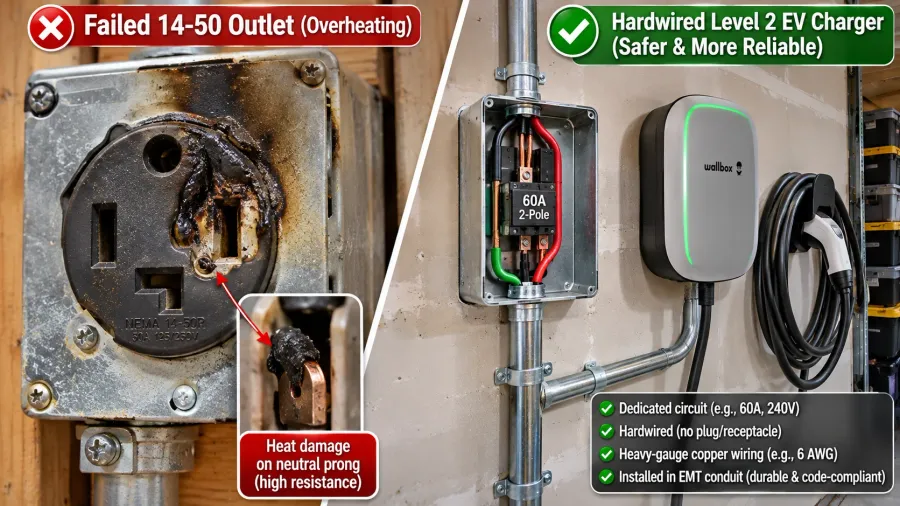
If you are planning continuous high-draw equipment circuits alongside backup generator lines, calculate continuous ampacity limits with our installation breakdown on EV charger in the garage: hardwired vs. NEMA 14-50. To keep your workshop water lines from freezing during sub-zero outages, review our load considerations in heating an uninsulated garage with mini-splits vs. 240V electric.
Hank Miller
Hank is a master craftsman and DIY mechanic based in Ohio. He tests workshop equipment, garage floor coatings, and power tools under brutal, real-world workshop conditions, with zero paid brand sponsorships.