How to Stop Sewer Smell From a Garage Floor Drain (The Mineral Oil & Trap Seal Fix)

Bleach cannot fix a dried-out P-trap leaking methane and sewer gas into your garage. Learn the mineral oil barrier trick and waterless silicone one-way seals.
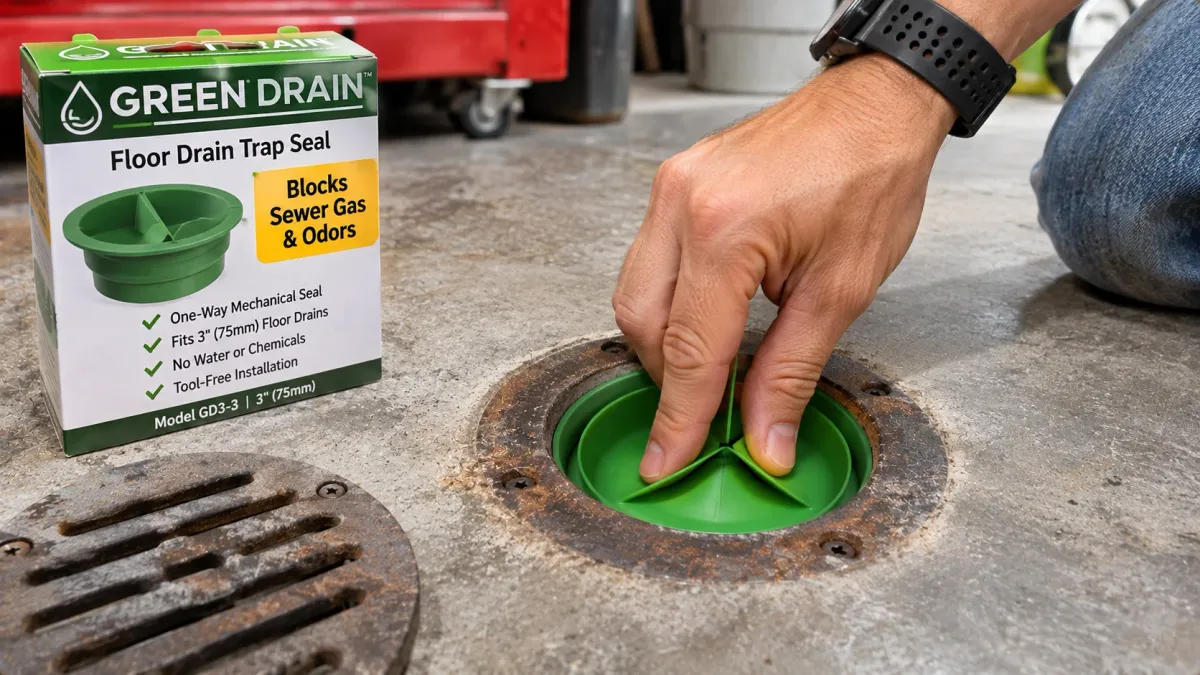
Table of Contents5 Sections
You open the interior walk-through door from your kitchen into your attached garage, and a foul, pungent stench of rotten eggs and raw municipal sewer gas hits you in the face. You grab a gallon of chlorine bleach or chemical drain cleaner, dump it down the round cast-iron floor drain in the center of the bay, and smell chemical fumes for twenty-four hours, only to have the exact same sulfurous sewer stench return four days later.
Homeowners assume that a smelly garage drain is clogged with decaying organic debris. In reality, chemical drain cleaners and bleach do nothing because your drain pipe is not clogged at all; your underlying plumbing trap has simply run completely dry from atmospheric evaporation.
I diagnosed commercial drainage networks and serviced sub-slab plumbing across Ohio for decades. In this guide, I explain why garage P-traps dry out ten times faster than household sinks, expose the toxic hazards of sewer gas backdrafts, and show you two permanent trade solutions: a five-dollar mineral oil evaporation barrier and code-approved waterless silicone one-way seals.
The Dry P-Trap Mystery: Why Garage Drains Always Dry Out
The International Plumbing Code (IPC Chapter 10 on Traps and Interceptors) mandates a liquid trap seal of at least two inches to block toxic sewer gases from entering residential buildings.
Beneath every code-compliant concrete floor drain sits a curved U-shaped pipe fitting known as a P-trap. The sole purpose of a P-trap is to hold two to four inches of standing water (known as the liquid trap seal).
This liquid barrier acts as a physical plug that allows wastewater to drain downward into the municipal sewer or septic line while preventing pressurized sewer gases from rising back up into your building.
Bathroom sinks, kitchen drains, and toilets receive fresh water daily, continually replenishing their trap seals. A residential garage floor drain rarely receives continuous water flow unless you wash vehicles inside the bay or melting winter snow drips off your car fenders.
During dry winter months, low indoor relative humidity and constant draft currents pull moisture out of the trap. Within seven to ten days of no water usage, the standing water inside the P-trap evaporates completely.
The moment that water barrier disappears, your floor drain becomes an open exhaust chimney for municipal sewer lines. Toxic hydrogen sulfide gas (which produces the classic rotten-egg smell) and highly flammable methane gas drift upward into your garage, creating nausea, headaches, and a severe explosion hazard if you operate a welding torch or grinder nearby.
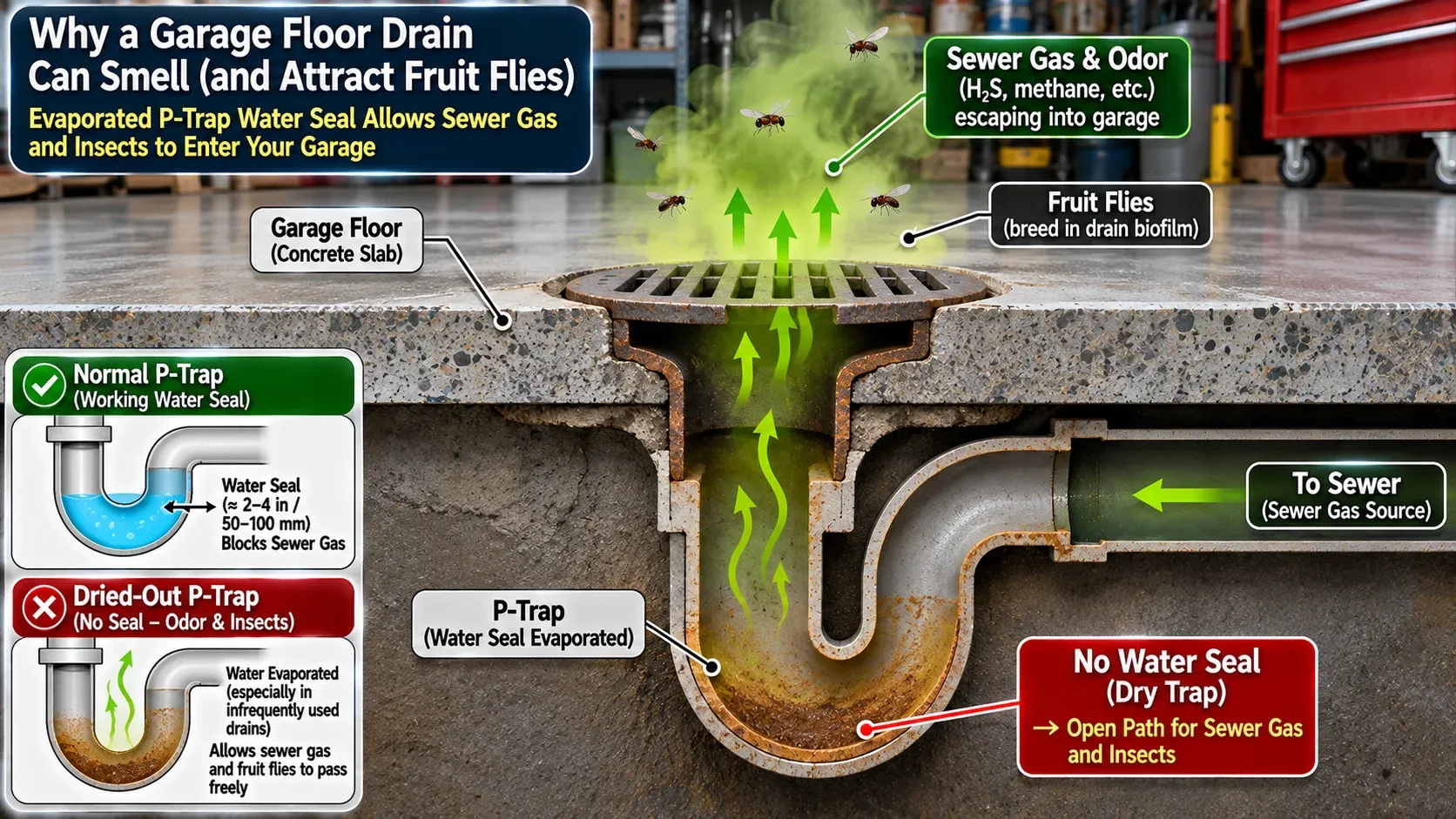
Technical plumbing cross section diagram showing a dry garage floor drain P-trap, water seal evaporated away beneath concrete slab allowing noxious green sewer gas arrows and fruit flies to flow freely upward into the garage workspace, clear architectural callouts.
Garage Floor Drain Diagnostic: Identifying the Odor Cause
Inspect your floor drain pipe with a flashlight to determine the root cause of the smell.
Flashlight reveals dry, empty curved pipe bottom with instant blast of sulfur gas
Water is present in the trap, but the interior pipe walls are coated in black, foul sludge
Winter temperatures cause standing water inside the drain to freeze solid into ice
Solution 1: The $5 Mineral Oil Trick (The Evaporation Killer)
If you want an immediate, virtually free solution that stops trap evaporation for an entire year without buying specialty plumbing hardware, use pure mineral oil:
Step 1: Pour two full gallons of clean tap water directly down the floor drain. This fills the curved bottom of the underground P-trap, restoring the liquid water barrier and immediately stopping sewer gas flow.
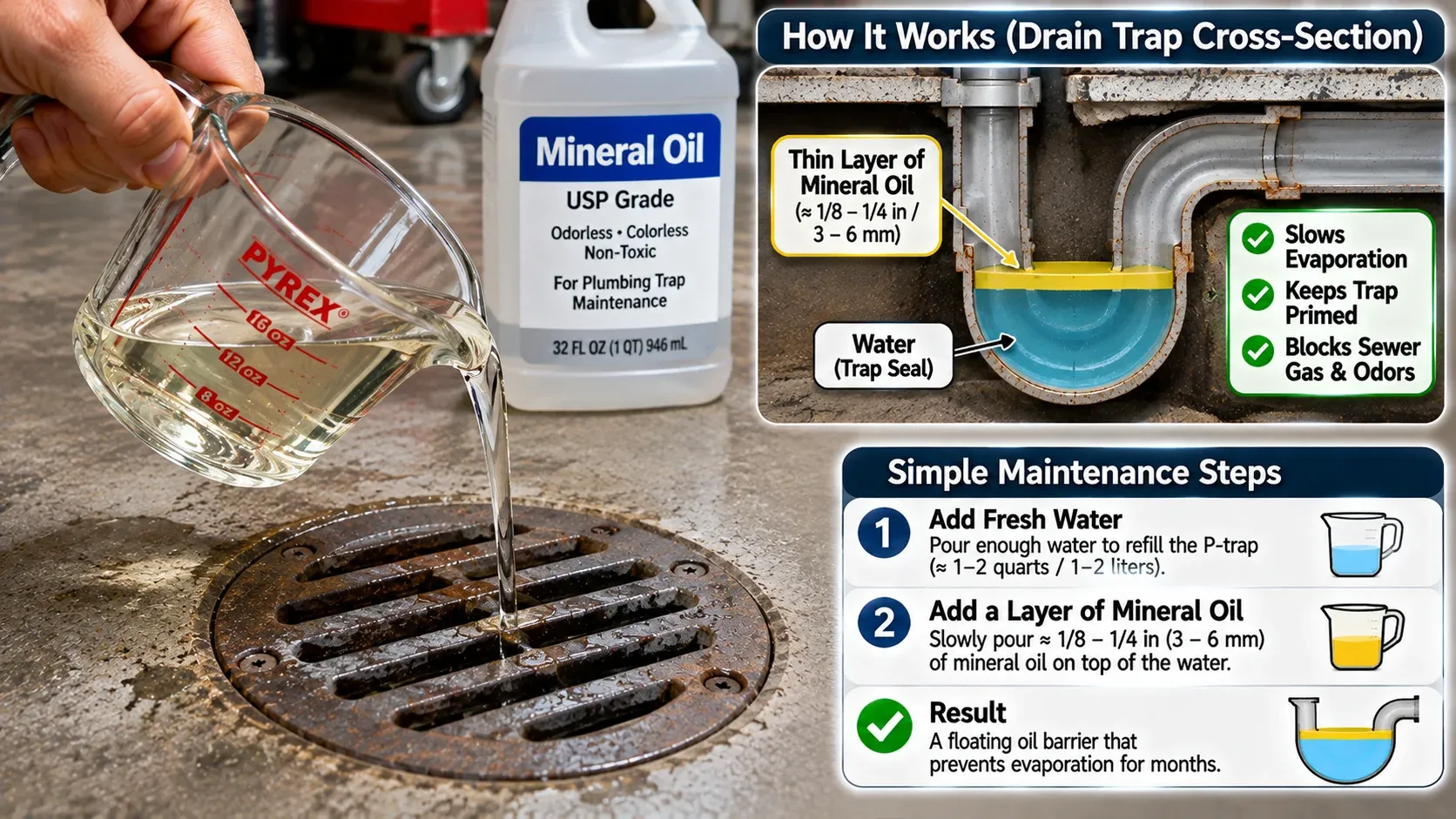
Action photo pouring clear mineral oil from a measuring cup down into a garage floor drain grate after priming with fresh water, cutaway inset showing thin layer of oil floating on water surface preventing evaporation, crisp instructional photography.
Step 2: Slowly pour one to two cups (roughly eight to sixteen ounces) of pure food-grade or technical-grade mineral oil directly down the drain.
The physics behind this trick is simple and effective. Mineral oil has a specific gravity of roughly 0.85, making it significantly lighter than water. The oil floats directly on top of the standing water inside the P-trap, creating an airtight, quarter-inch liquid blanket across the surface.
Because mineral oil does not evaporate under normal atmospheric conditions and will never spoil or rot like vegetable cooking oil, it seals the water underneath indefinitely. The water trap remains fully intact for twelve continuous months, even in bone-dry unheated winter garages.
Solution 2: The Green Drain One-Way Seal (The Permanent Upgrade)
If your garage also features washing facilities or a utility sink, make sure all auxiliary drain lines have proper venting. Check my walkthrough on garage utility sink plumbing with PEX to route drain lines without creating siphoning issues that pull floor traps dry.
If you wash vehicles in your garage, flush floor grime, or want a permanent mechanical solution that satisfies International Plumbing Code (IPC) standards without requiring water, install a Green Drain waterless trap seal.
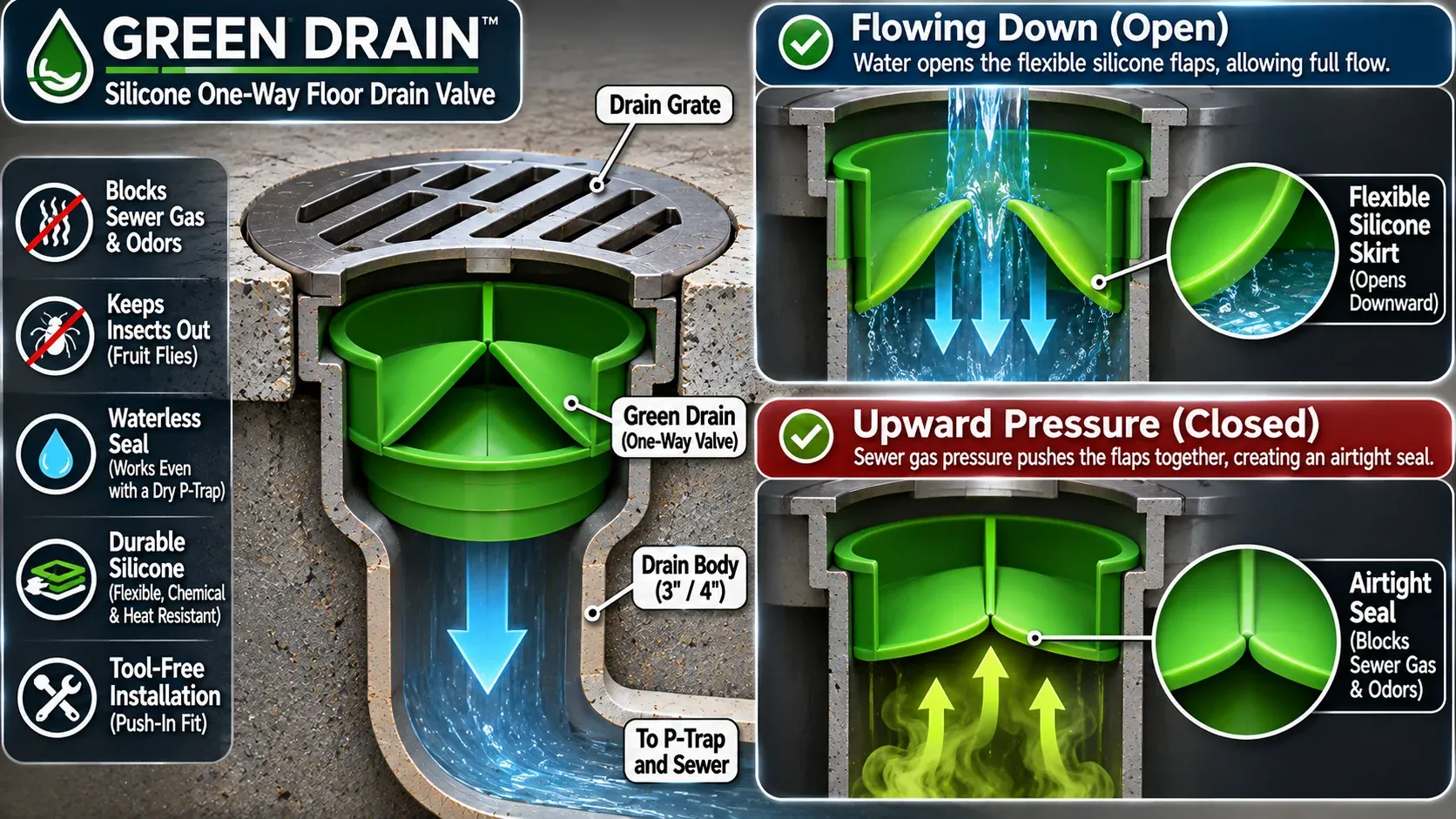
3D mechanical cutaway illustration of a Green Drain silicone one-way floor drain valve, top view showing water flowing down opening flexible silicone skirt flaps, bottom view showing flaps snapping airtight shut under upward sewer gas pressure, clean modern CAD graphic.
A Green Drain is an engineered plumbing insert consisting of a rigid ABS plastic body encircled by flexible four-tier EPDM rubber sealing gaskets, tipped with two overlapping flexible silicone skirt valves at the bottom.
Installation takes ten seconds: you lift off your metal drain grate, press the Green Drain directly into the opening of your two-inch, three-inch, or four-inch drain pipe, and push it down flush. The flexible outer rubber ribs compress tightly against the interior pipe walls, creating an airtight friction fit.
When water flows across the floor from snow melt or car washing, the physical weight of the draining liquid pushes the soft silicone skirts open, allowing water to drain downward without restriction. The instant water stops flowing, the silicone skirts snap tightly shut by molecular memory.
The sealed silicone flaps form an impenetrable barrier that blocks 100 percent of sewer gas, backflow odors, drain flies, and cockroaches from crawling up into your garage, even if the P-trap beneath has been bone-dry for three years.
Winter Freeze Protection: The RV Antifreeze Protocol
In unheated northern garages, floor drains present a severe winter freezing hazard. P-traps are frequently installed only eight to twelve inches below the concrete slab surface, well above the exterior earth frost line.
When prolonged sub-zero weather sets in, the standing water inside the P-trap freezes solid into a block of ice. Because water expands by nine percent upon freezing, that expanding ice plug can split PVC, ABS, or cast-iron trap castings beneath your concrete floor, leading to hidden sub-slab water leaks that undermine foundation stability.
Never pour automotive engine coolant (ethylene glycol) down a floor drain. Automotive antifreeze is highly toxic to wildlife, contaminates groundwater, and violates federal environmental disposal laws.
Instead, pour a half-gallon of pink RV and marine plumbing antifreeze down the drain before the first hard freeze. Formulated with non-toxic propylene glycol, RV antifreeze remains liquid down to minus fifty degrees Fahrenheit, preventing ice expansion and protecting sub-slab pipes throughout deep winter freezes.
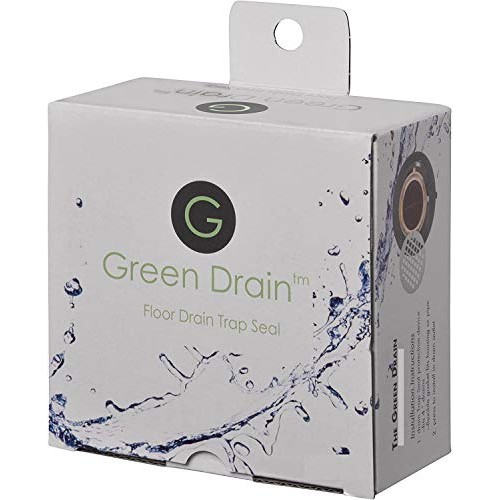
Green Drain Waterless Floor Drain Trap Seal (2, 3, or 4-Inch)
Best For: Permanent, water-free sewer odor and pest blocking
Est. Price: $38 - $48
"The definitive, code-approved mechanical solution for stopping garage drain odors permanently without needing constant water refilling."
- +One-way self-sealing silicone skirts block sewer gas completely without water
- +Four-tier EPDM outer gasket creates an airtight friction fit inside pipe walls
- +Fully certified under ASSE 1072 and approved under IPC and UPC plumbing codes
- -Must verify exact internal pipe diameter before selecting 2, 3, or 4-inch model
- -Requires removing metal surface grate screws during initial push-in install
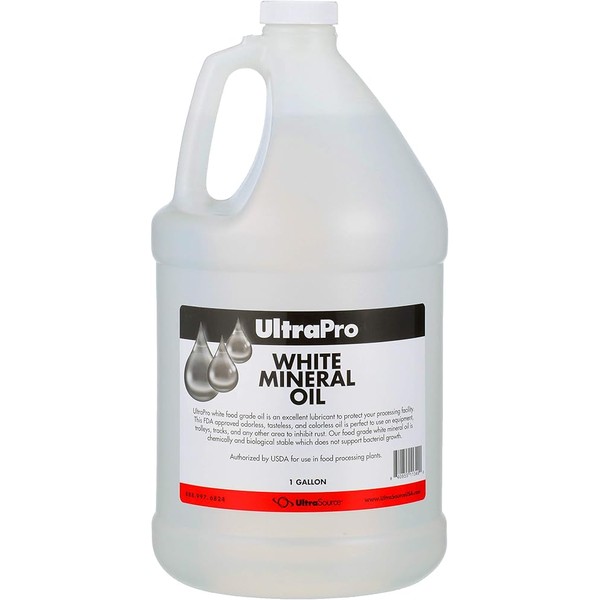
UltraPro Food-Grade Pure Mineral Oil (1 Gallon)
Best For: Creating long-lasting evaporation barriers inside P-traps
Est. Price: $24 - $29
"The classic, ultra-affordable five-dollar plumbing trick that stops sewer gas backdrafts dead in their tracks."
- +Floats on top of P-trap water to stop atmospheric evaporation for 12 months
- +Pure, odorless formula will never turn rancid, sticky, or attract drain flies
- +Multi-use workshop fluid ideal for lubricating squeaky parts and wood cutting boards
- -Heavy vehicle washing flushes oil downstream; requires reapplication after heavy flushes
- -Pour slowly to allow oil to form a continuous floating blanket over water
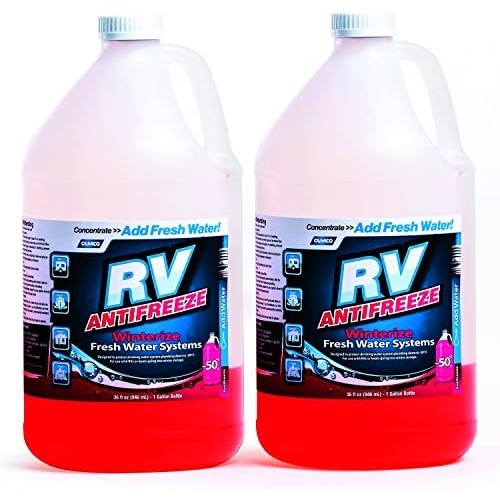
Camco Premium RV & Marine -50°F Antifreeze (1 Gallon)
Best For: Winterizing unheated garage floor drains against freeze cracking
Est. Price: $8 - $12
"An inexpensive, non-toxic plumbing shield that stops underground floor drain pipes from shattering during deep winter freezes."
- +Protects sub-slab P-trap plumbing from freeze-bursting down to -50°F
- +Formulated with non-toxic propylene glycol safe for municipal sewer lines
- +Bright pink dye verifies fluid displacement inside dark drainage pipes
- -Ready-to-use formula must not be diluted with water prior to pouring
- -Must be replenished if melting winter snow flushes the trap during thaw cycles
Coordinating Your Garage Moisture Defenses
Managing floor drainage is a key element of maintaining an odorless, comfortable residential garage workshop.
Control exterior water intrusion during heavy thunderstorms before it overloads your floor drain by reviewing our installation guide on how to stop water coming under your garage door.
Keep winter road slush and corrosive salt from pooling across your floor by capturing vehicle melt at the source with our containment guide on garage snow and slush containment mats.

Hank Miller
Hank is a master craftsman and DIY mechanic based in Ohio. He tests workshop equipment, garage floor coatings, and power tools under brutal, real-world workshop conditions, with zero paid brand sponsorships.