How to Mouse-Proof Your Garage Before Winter: The Exclusion Method That Saves Your Car Wiring

Ultrasonic repellers and peppermint oils fail when freezing winter temperatures arrive. Here is how to seal dime-sized gaps and protect your engine wiring harness.
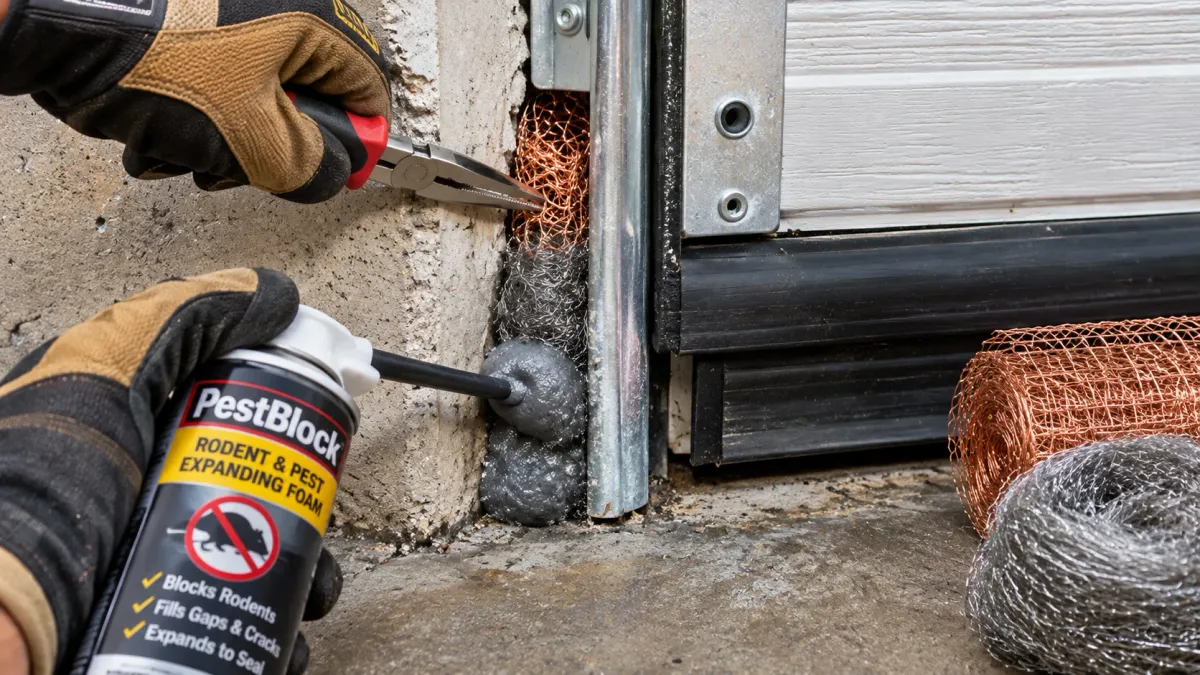
Table of Contents5 Sections
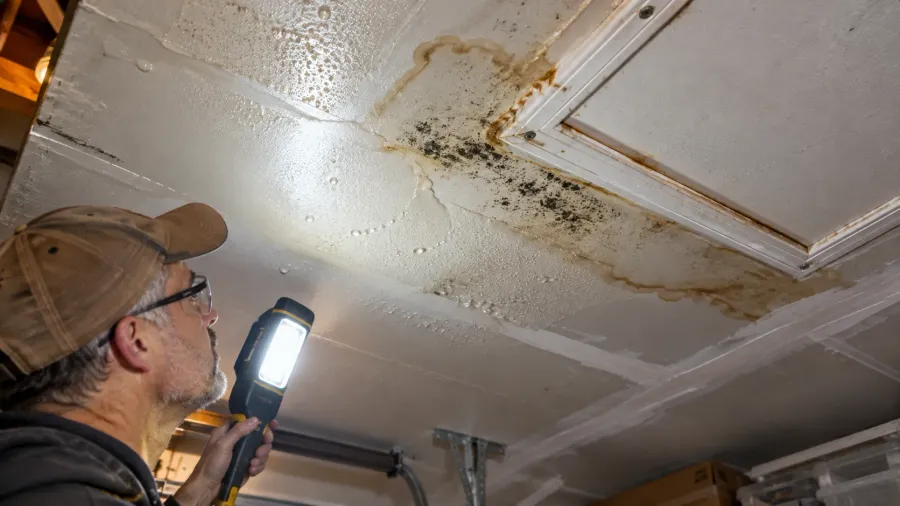
You walk into your garage on a freezing December morning, turn the key in your truck, and watch the instrument cluster flash like an arcade cabinet. The starter clicks helplessly, a strange acrid musk wafts through the dashboard vents, and you pop the hood to find shredded shop towels and bare copper wires where your engine harness used to live.
A dealership technician will hand you an estimate between $1,500 and $3,000 to replace a modern engine wiring harness chewed up by field mice. Rodents do not move into your garage in autumn to annoy you; they enter because your vehicle engine radiates residual heat for hours after you park, offering the ultimate winter sanctuary.
I spent years pulling nests out of farm tractors, commercial sweepers, and customer pickups in central Ohio. In this guide, I break down why electronic plug-in gadgets fail, the anatomy of modern soy-insulated vehicle wiring, and how to execute a permanent physical exclusion protocol that locks mice out of your garage for good.
The Soy-Wire Trap: Why Modern Vehicles Are Rodent Magnets
Vehicle manufacturers began transitioning away from petroleum-based wire insulation over the last two decades. Modern automotive wiring harnesses utilize biodegradable coatings synthesized from soybean oil, corn starch, and sugarcane to reduce environmental impact.
To a starving field mouse seeking shelter from twenty-degree weather, your warm engine bay smells like food. Rodent incisors grow four to five inches every year, requiring continuous gnawing against dense materials to prevent their teeth from overgrowing into their jaws.
A warm, quiet engine bay packed with tasty soy-coated 18-gauge wiring provides rodents with food, warmth, and teeth-grinding material in a single private space. Once a rodent establishes an engine nesting site, territorial pheromone markers attract future generations straight back to your engine block.
Garage Rodent Diagnostic Matrix: Identify Your Intruder by Evidence
Match droppings, chewing marks, and nesting habits to the correct physical exclusion protocol.
Small pointed droppings like black rice grains; shredded cardboard in corners
Large capsule-shaped droppings, chewed PVC drain pipes, or burrowed dirt
Acorn stashes inside air filter boxes and hollow frame rails
The Exclusion Protocol: Sealing the “Dime-Sized” Entry Points
The Centers for Disease Control and Prevention (CDC) rodent exclusion guidelines state that mice can squeeze through gaps as narrow as 1/4 inch, meaning any exterior hole larger than a standard pencil requires permanent physical sealing.
Pest exterminators spend hours marketing recurring monthly poison contracts, but poisons cause mice to crawl deep inside your finished drywall and die, creating a month-long stench of decay. True rodent control relies 100 percent on physical exclusion: if they cannot enter, they cannot nest.
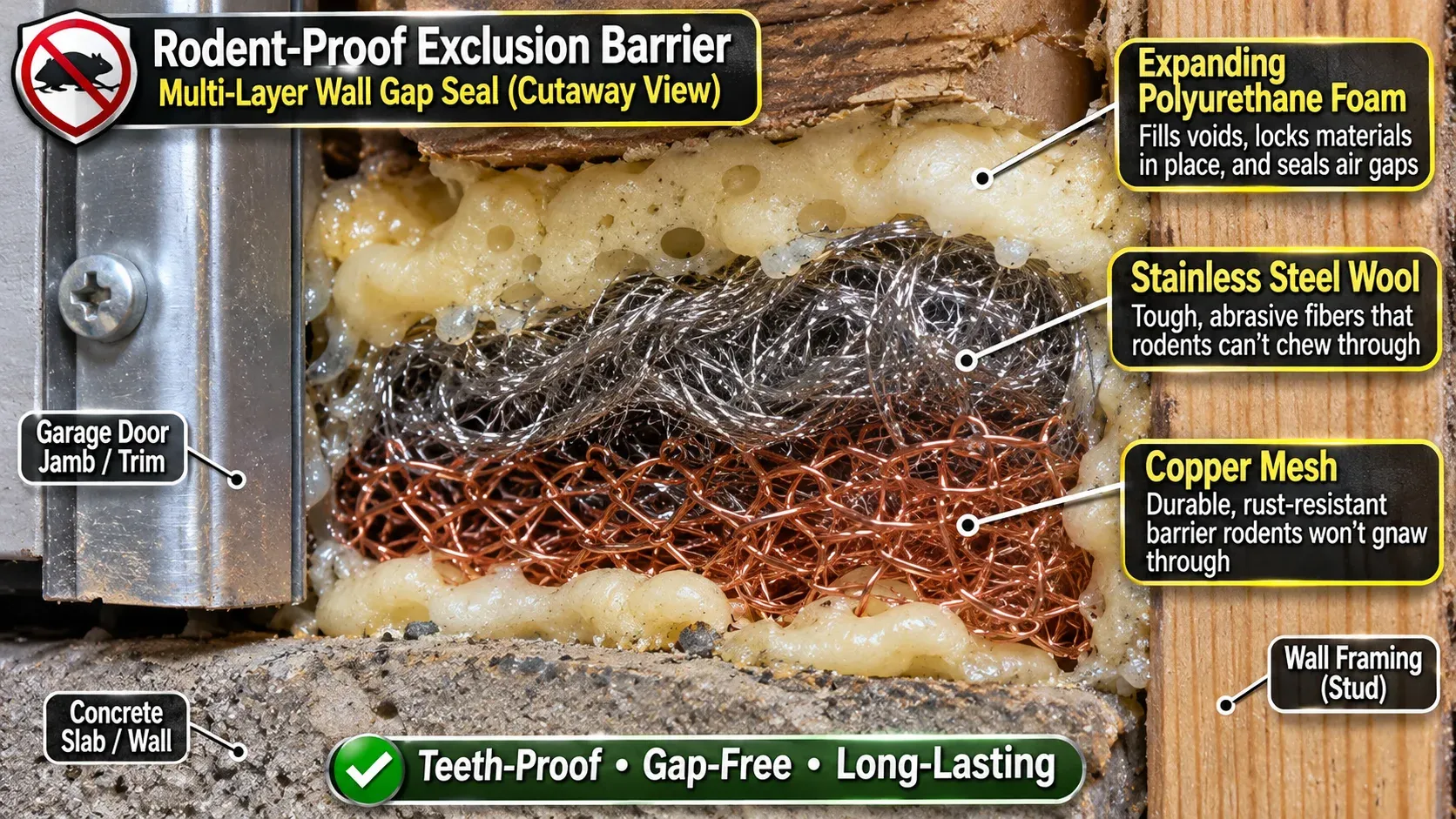
Macro cross section photo of rodent-proof exclusion barrier inside a wall void, layers showing expanding polyurethane foam embedded with sharp stainless steel wool and woven copper mesh fibers, preventing rodent teeth penetration, labeled material callouts.
An adult field mouse can squeeze through an opening measuring one-quarter of an inch, which matches the diameter of a standard number-two pencil or a ten-cent dime. You must audit your garage perimeter from floor to ceiling to locate and seal these vulnerabilities before winter sets in.
Vulnerability 1: The Garage Door Bottom Corners
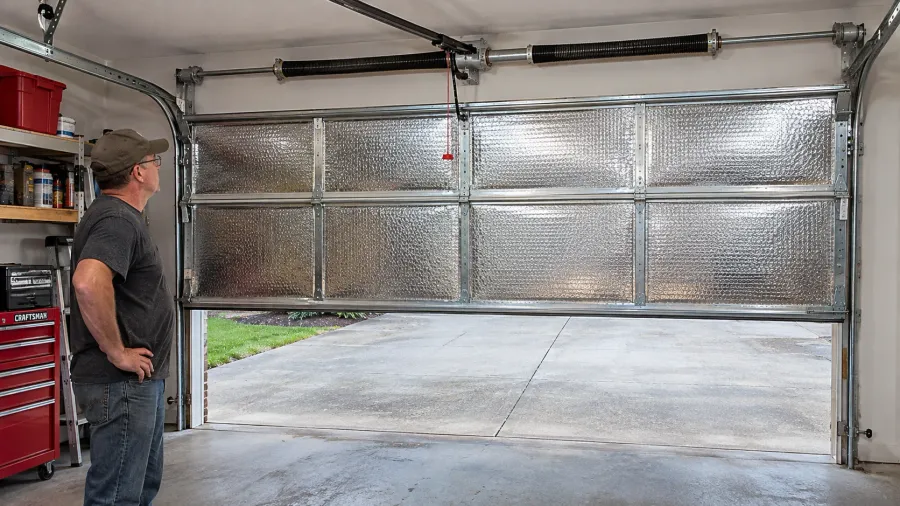
Rubber weatherstripping shrinks during cold weather, leaving a half-inch triangular gap at both bottom track corners. Mice identify this drafty corner immediately and chew through the thin rubber bulb to create an open doorway.
Install heavy-gauge steel corner shields over the bottom edge of the door tracks, and pack the hollow interior of the rubber threshold seal with stainless steel wool. This metal barrier lacerates rodent mouths the moment they attempt to widen the corner opening.
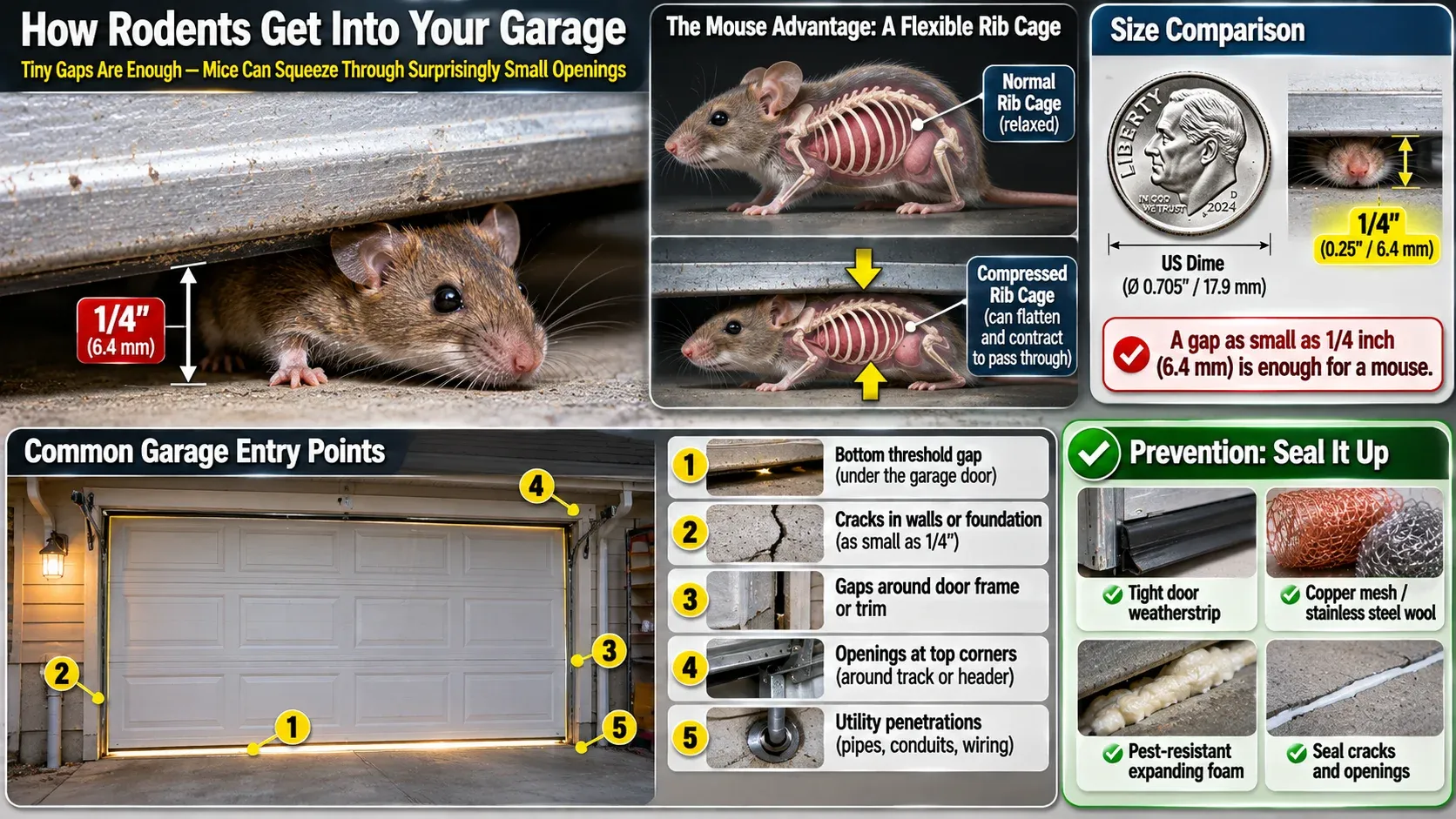
Educational infographic showing how rodents enter garages, cross section of a tiny 1/4-inch crack compared to the size of a US dime coin, anatomical mouse illustration showing collapsible rib cage slipping through minimal threshold gap, clear labeled pest control graphic.
Vulnerability 2: Utility Pipe and Conduit Wall Penetrations
Plumbing supply lines, gas pipes, and electrical conduit lines pass through oversize holes drilled in your garage wall studs. Builders frequently leave raw gaps around these pipes, hiding them behind rough-cut escutcheon plates that mice push aside with ease.
Never fill these holes with standard off-the-shelf polyurethane expanding foam alone. Mice chew soft expanding foam into nesting material within minutes; you must pack the gap tightly with copper mesh or stainless steel fabric first, then inject expanding foam infused with bittering agents over the metal core.
Food Storage Lockdown: The Behrens Steel Rule
Mice do not invade sterile spaces; they follow their noses toward rich scent trails. Garages frequently house three major calorie sources that sustain a rodent colony through freezing temperatures: pet food bags, bird seed sacks, and lawn grass seed.
Paper and plastic bags provide zero resistance against rodent incisors. Storing fifty pounds of dog kibble in a plastic tote with a snap-on lid is equally futile, as hungry rats and mice will gnaw right through the plastic corners overnight.
Transfer all pet food, bird seed, and grass seed into heavy galvanized steel garbage cans with tight-fitting friction lids. Steel creates an impenetrable physical boundary and contains scent molecules, eliminating the primary incentive for rodents to enter your building.
The 90-Degree Trapping Strategy: Why Baiting in the Open Fails
Ultrasonic plug-in repellent devices claim to drive pests away with sound frequencies, but real-world tests consistently prove their complete failure. Hungry mice acclimate to repetitive frequencies within forty-eight hours and will happily build nests on top of warm plug-in sound repellers.
When you need to eliminate rodents that bypassed your perimeter seals, mechanical snap traps remain the most reliable solution. The mistake most homeowners make is placing traps randomly across the center of an open garage floor.
Rodents suffer from poor eyesight and navigate by running with their whiskers pressed against vertical perimeter walls (a behavior known as thigmotaxis). Set snap traps along baseboards, orienting the trigger paddle directly toward the wall at a 90-degree angle so the mouse must step across the trigger plate while running along the wall edge.
Skip the cartoon chunk of cheese and use smooth peanut butter pressed paper-thin into the bait cup. Spreading the peanut butter thin forces the mouse to lick and scrape the trigger mechanism with its teeth, tripping the bar reliably every time.
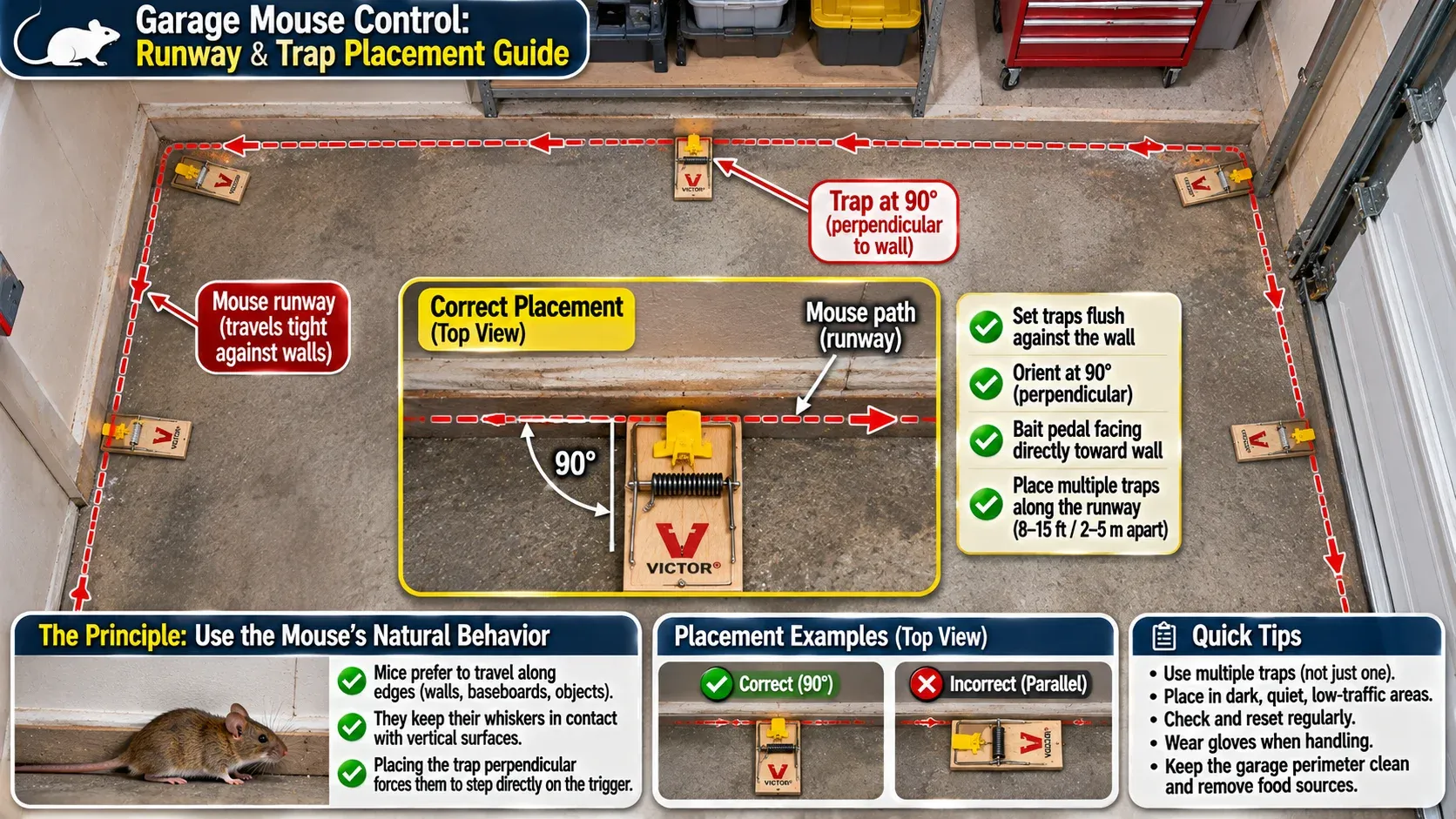
Top-down diagram of garage floor perimeter showing mouse runway behavior, snap traps positioned perpendicular at 90-degree angles against baseboards with bait pedals facing directly toward wall, red dashed line showing rodent path directly over trip triggers, clear instructional diagram.
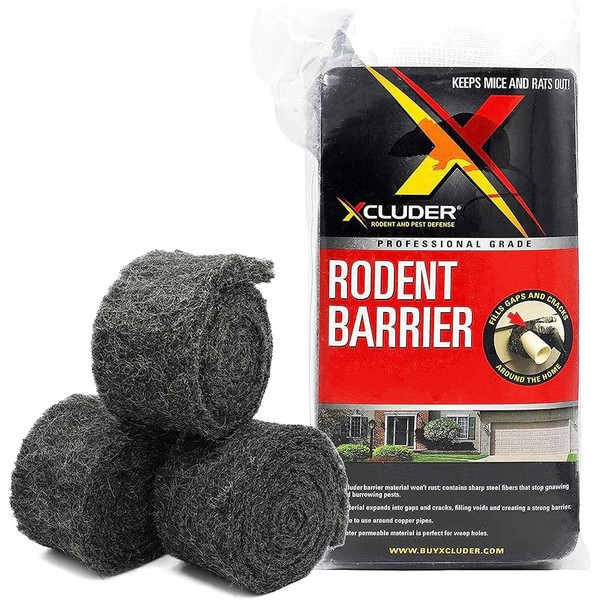
Xcluder Rodent Control Fill Fabric
Best For: Packing gaps around pipes and door corners
Est. Price: $18 - $24
"The gold standard mechanical barrier for stuffing into wall voids and door track corners to permanently stop rodent chewing."
- +Blends coarse stainless steel fibers with durable poly fibers
- +Will never rust, stain masonry, or compress over time
- +Sharp metal strands lacerate rodent gums upon contact
- -Must wear heavy leather work gloves during cutting and handling
- -Requires heavy shears or tin snips to cut cleanly
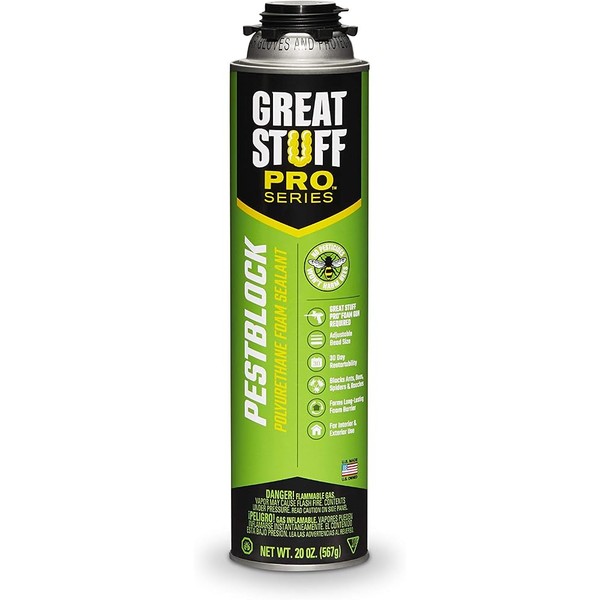
Great Stuff Pro Pestblock Insulating Foam Sealant
Best For: Sealing around metal mesh penetrations
Est. Price: $14 - $18
"The ideal top-seal foam to lock stainless mesh in place while sealing out winter drafts and odor trails."
- +Formulated with bittering agents that discourage animal chewing
- +Expands to fill irregular voids around masonry and conduit
- +Forms an airtight, moisture-resistant weather barrier
- -Requires dispensing gun and cleaner for professional canisters
- -Will fail if used without an internal stainless steel mesh core
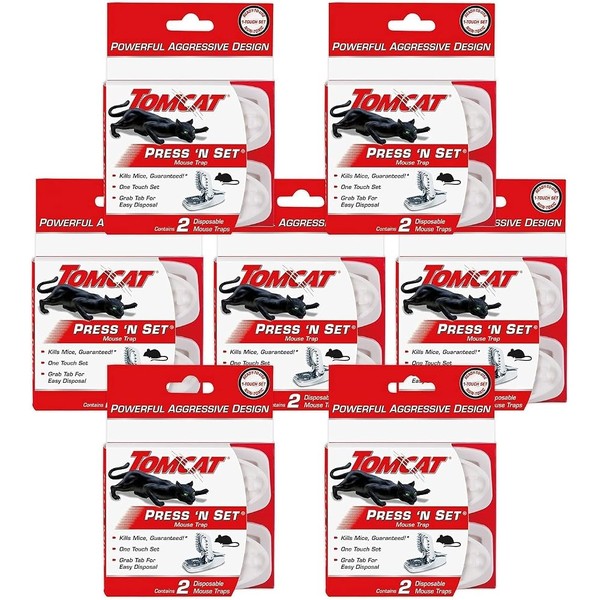
Tomcat Press 'N Set Mouse Trap (4-Pack)
Best For: Baseboard perimeter trapping runs
Est. Price: $10 - $14
"A safe, highly sensitive mechanical snap trap that resets with one press and eliminates mice humanely and instantly."
- +One-touch spring setting protects fingers from accidental snaps
- +Recessed bait well forces rodents to trigger the sensitive paddle
- +High-impact plastic construction washes clean for repeated use
- -Plastic jaw can throw light traps if not weighted down
- -Requires proper baiting with thin peanut butter for best results
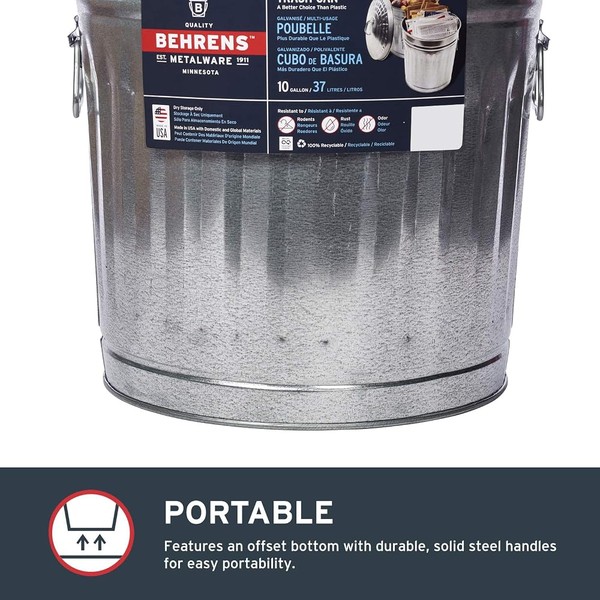
Behrens 10-Gallon Locking Lid Galvanized Steel Can
Best For: Dog food, bird seed, and grass seed storage
Est. Price: $28 - $35
"The definitive answer to seed and pet food storage that eliminates rodent food supplies from your garage floor forever."
- +Galvanized 100 percent steel construction cannot be chewed through
- +Tight friction-fit locking lid prevents scent leakage
- +Corrosion-resistant metal body endures unheated garage humidity
- -Metal lid can fit tightly in cold temperatures
- -Heavier than plastic storage containers
Your Pre-Winter Exclusion Checklist
Take advantage of an autumn afternoon before the first deep ground frost to execute this four-step protection routine.
First, complete a thorough perimeter light inspection: turn off all garage lights during midday, close the main overhead door, and look for points of daylight penetrating around the door jambs, bottom corners, and wall sill plates.
Second, stuff every hole showing daylight with Xcluder stainless mesh and cap it with Pestblock foam.
Third, lift all seasonal storage boxes and camping gear off the concrete floor by installing ceiling storage, as detailed in our guide on how to safely mount overhead garage storage racks.
Inspect your side and top door jambs with our guide on sealing gaps around a garage door frame to stop drafts and mice simultaneously. And to keep rodents and winter moisture from attacking your hand tools, implement the corrosion defenses in how to keep tools from rusting in a toolbox. Finally, install a heavy-duty EPDM rubber threshold seal to eliminate bottom water and draft intrusion, which you can learn to install in our walkthrough on how to stop water coming under your garage door.
Hank Miller
Hank is a master craftsman and DIY mechanic based in Ohio. He tests workshop equipment, garage floor coatings, and power tools under brutal, real-world workshop conditions, with zero paid brand sponsorships.