Woodworking in a Small Garage: Shop Vac vs. Dedicated Dust Collector (The CFM Physics You Must Know)

Connecting a 1.25-inch shop vac to a 10-inch table saw causes motor burnout and dust clouds. Learn the CFM air velocity physics, cyclone separation, and compact two-stage setups.
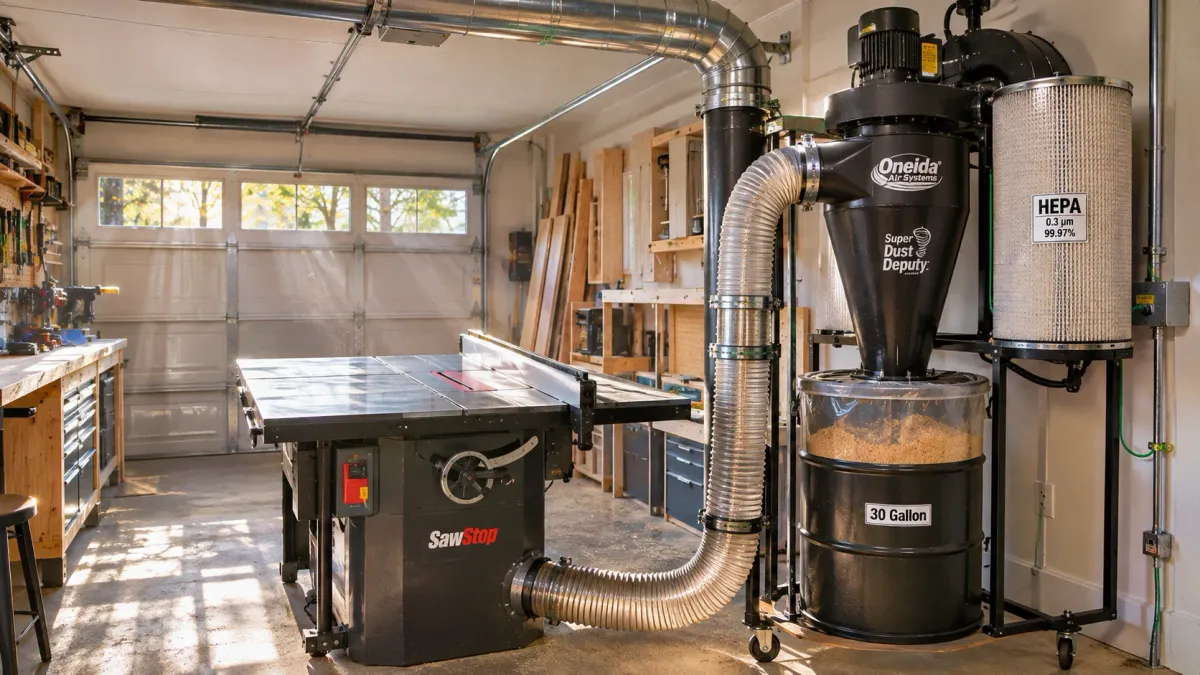
Table of Contents5 Sections
You finish ripping three eight-foot sheets of plywood on your table saw, switch off the motor, and look up to see a thick amber haze hanging suspended under your shop lights. The air smells sweet and heavy, your throat feels dry and scratchy, and the next morning you discover a fine blanket of pale yellow sawdust settled over your car paint, tool chests, and overhead storage bins.
Homeowners assume that hooking up a standard five-horsepower shop vacuum with a narrow plastic hose collects all woodworking debris. Two minutes into cutting, the vacuum filter clogs solid, suction drops to zero, and the high-speed blade flings 80 percent of the wood dust straight into the air of your enclosed garage.
I spent years building custom cabinetry and servicing heavy shop dust systems. In this guide, I break down the physical laws separating static vacuum pressure from cubic-feet-per-minute air volume, explain why sub-micron wood dust poses a severe respiratory hazard, and show you how to set up a compact two-tier dust collection system that fits neatly into a single-car garage footprint.
The Physics of Dust: High Pressure (Shop Vac) vs. High Volume (Dust Collector)
When breaking down sheet goods in tight garage quarters, a track saw paired with a vacuum hose keeps airborne dust down by 90%. Check my solo cutting blueprint on how to cut 4x8 plywood sheets by yourself to build a safe, dust-controlled cutting station on your garage floor.
Dust collection equipment operates across two completely different physical domains of fluid mechanics: static pressure and airflow volume.
A standard shop vacuum utilizes a high-rpm universal motor spinning a small impeller. This motor creates massive static pressure (measured as 80 to 100 inches of water lift), which generates intense suction through small 1.25-inch or 1.5-inch hoses, making it ideal for picking up heavy screws, metal shavings, and debris from tight crevices.
However, a shop vacuum moves very little actual air volume, typically producing only 100 to 150 Cubic Feet per Minute (CFM). When you connect that narrow hose to a ten-inch table saw blade spinning at 4,000 RPM, the air currents generated by the blade teeth easily overpower the feeble 120 CFM of your vacuum hose, throwing dust past the collection shroud.
A dedicated woodworking dust collector utilizes a large, slow-turning induction motor driving a twelve-inch radial impeller. This machine generates modest static pressure (around 8 to 12 inches of water lift) but moves a massive volume of air (650 to 1,200 CFM) through wide four-inch flexible ducting.
That high air volume creates a wide velocity capture envelope around the cutter head, inhaling large chips and floating airborne dust before rotational forces can propel them into your room air.

Medical and workshop safety infographic comparing woodworking dust particle sizes, showing human hair cross section (70 microns), visible wood shavings (100 microns), and invisible dangerous respirable PM2.
Woodworking Tool Suction Matrix: Shop Vac vs. Dedicated Dust Collector
Matching workshop machinery to the correct air volume, hose diameter, and static pressure physics.
Random Orbital Sander (5-Inch)
All handheld power sanders, biscuit joiners, and trim routers
- Maximum suction velocity pulls dust directly from abrasive paper
- Fine sanding dust clogs standard pleated paper filters in 5 minutes
Plunge Router / Miter Saw
Benchtop miter saws, handheld routers, and pocket hole jigs
- Compact flexible hose tracks smoothly with moving cutter heads
- Miter saw blade fling requires secondary catch hoods for full capture
10-Inch Contractor/Cabinet Table Saw
All stationary table saws and band saws
- Inhales massive internal dust cloud before it escapes cabinet seams
- Requires dedicated 4-inch hose and heavy induction motor space
12-Inch to 13-Inch Thickness Planer
All benchtop thickness planers and jointer machines
- High CFM moves massive chip volumes without bridging inside the hose
- Immediately chokes small vacuum hoses into solid wood plugs
The Secret Weapon: The Cyclone Separator (Dust Deputy)
If you hook a shop vacuum directly to a tool, fine wood dust coats the microscopic pores of your paper filter cartridge within three minutes. Airflow drops by 80 percent, the vacuum motor begins to scream under thermal load, and you must open the canister and shake the dirty filter, releasing hazardous dust clouds into your face.
Adding a cyclonic separator, such as the Oneida Dust Deputy, between your tool and the vacuum eliminates this problem completely. Incoming sawdust and air enter the clear plastic cyclone cone at a tangent, spiraling downward into a high-speed vortex.
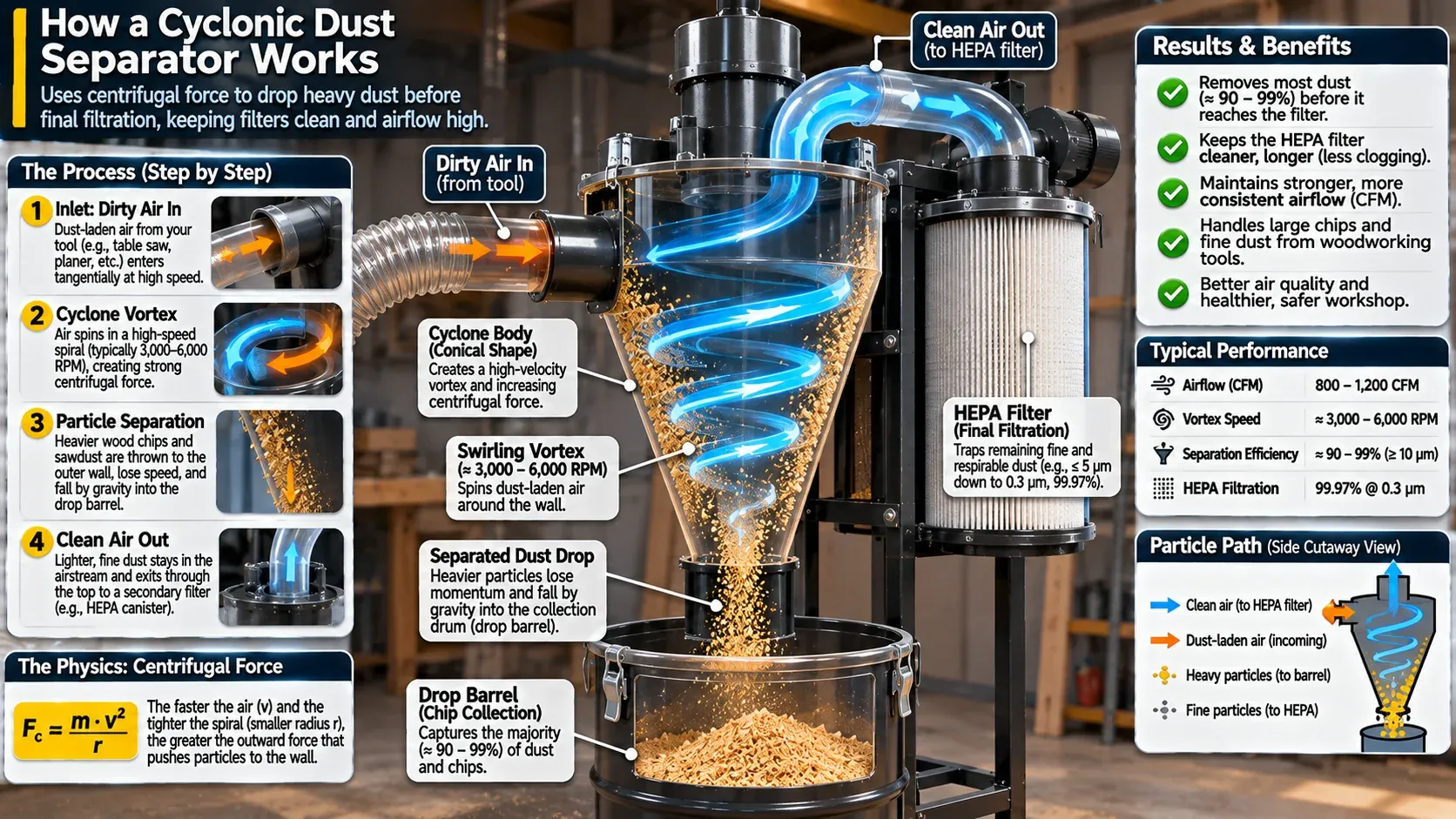
Technical 3D transparent cutaway diagram of a cyclonic dust separator, incoming dirty air spinning in high-velocity vortex, heavy sawdust particles dropping into drop barrel below by centrifugal force, clean air stream exiting top toward HEPA canister, crisp educational illustration.
Centrifugal force flings 99 percent of the heavy wood chips and fine dust outward against the cone walls, dropping them straight into an airtight five-gallon collection bucket below. Only clean, dust-free air rises out the center exhaust port into your shop vacuum, keeping your vacuum filter pristine and maintaining 100 percent suction power through hours of continuous cutting.
The Invisible Killer: Why You Need an Overhead Ambient Air Cleaner
The CDC / NIOSH wood dust safety recommendations warn that sub-micron airborne wood particulates stay suspended in still air for hours, posing serious respiratory risks unless captured by fine filtration.
The wood chips you sweep off your floor with a broom represent a cosmetic nuisance, but the dust particles you cannot see pose a severe long-term health risk.
Cutting hardwoods and manufactured composite panels like MDF produces sub-micron dust particles smaller than 2.5 microns across. These microscopic particles stay suspended in stagnant garage air for six to eight hours after you shut off your tools, drifting past nasal passages deep into lung alveoli where they cause chronic respiratory inflammation.
An ambient air filtration system mounted to your ceiling joists acts as your shop’s secondary defense line. A unit like the WEN 3-Speed system pulls air through a washable five-micron pre-filter and a secondary one-micron electrostatic pocket bag, circulating and cleaning the entire air volume of a two-car garage ten times every hour while you work.
Space-Saving Blueprint for a 1-Car Garage
You do not need a labyrinth of expensive overhead metal ductwork to keep a small garage workshop clean. If you still need to park a vehicle inside at night, build a mobile, modular two-cart collection system:
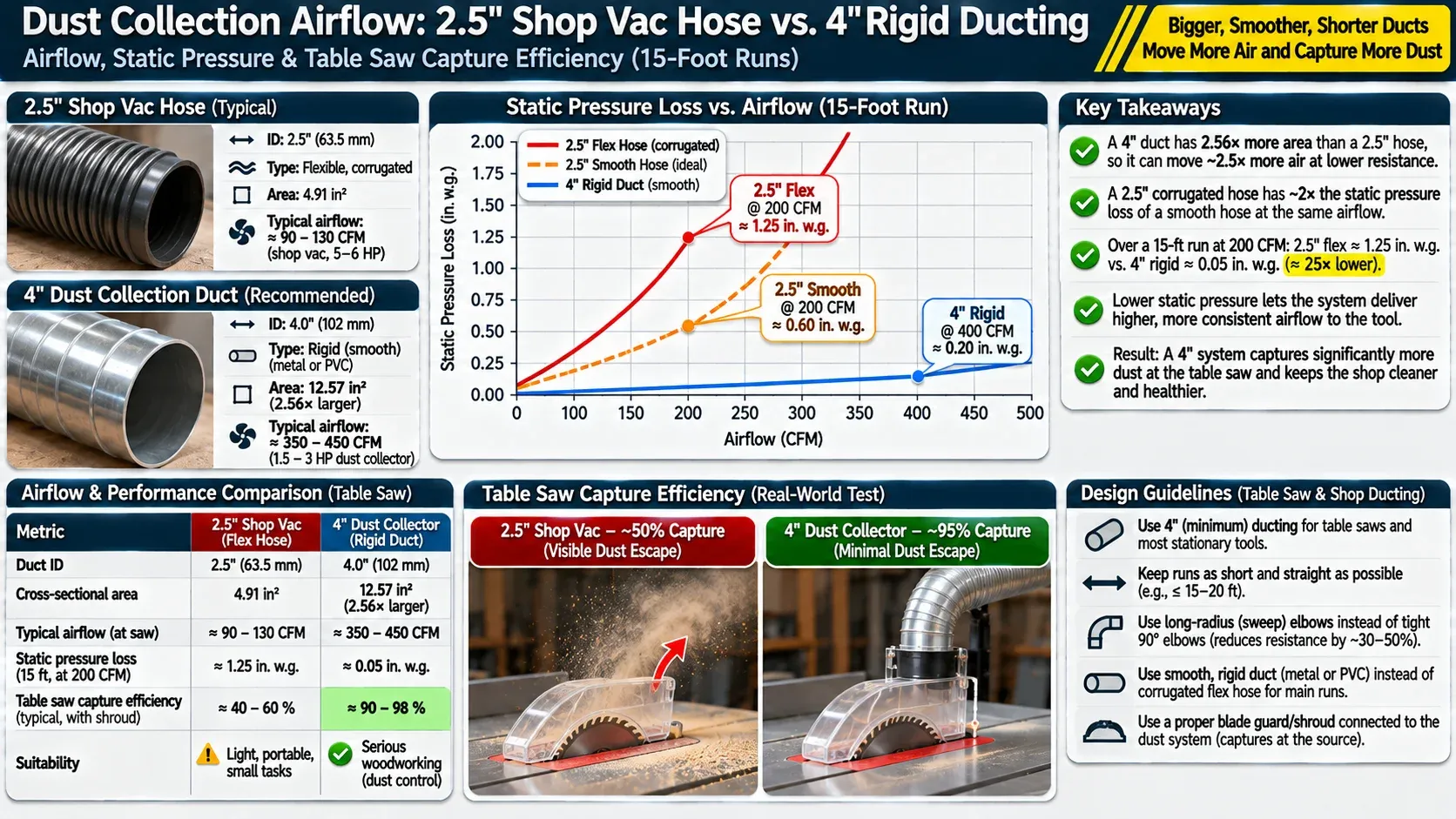
Engineering airflow chart comparing 2.
Cart 1: The High-Pressure Sander and Detail Cart
Mount your 12-gallon shop vacuum on the bottom deck of a compact rolling plywood dolly. Bolt a five-gallon bucket and a Dust Deputy cyclone directly to the top deck, connecting the two with an eight-inch flexible coupling hose.
Equip this mobile cart with a twenty-foot flexible 1.5-inch hose and an auto-sensing electrical switch. When you turn on your sander or plunge router, the switch automatically powers the vacuum on, and shuts it off five seconds after you release the tool trigger.
Cart 2: The High-Volume 1-HP Machine Collector
Position a compact 1-horsepower mobile dust collector (or a wall-hung unit with a four-inch flex hose) directly beside your table saw and planer station. Keep your hose run under ten feet to minimize friction losses, and use quick-connect magnetic rubber collars to swap the four-inch hose between your table saw and thickness planer in five seconds.

Oneida Air Systems Dust Deputy Plus Anti-Static Cyclone Kit
Best For: Eliminating clogged shop vacuum filters
Est. Price: $65 - $80
"The single best twenty-minute workshop upgrade that permanently prevents suction loss and protects your vacuum motor."
- +Separates 99 percent of wood dust and debris before reaching the filter
- +Anti-static resin prevents painful static electricity shocks
- +Includes crush-proof vacuum hose and universal quick-fit adapters
- -Five-gallon bucket requires secure anchoring to prevent tipping
- -Increases physical footprint of standard shop vacuum setup
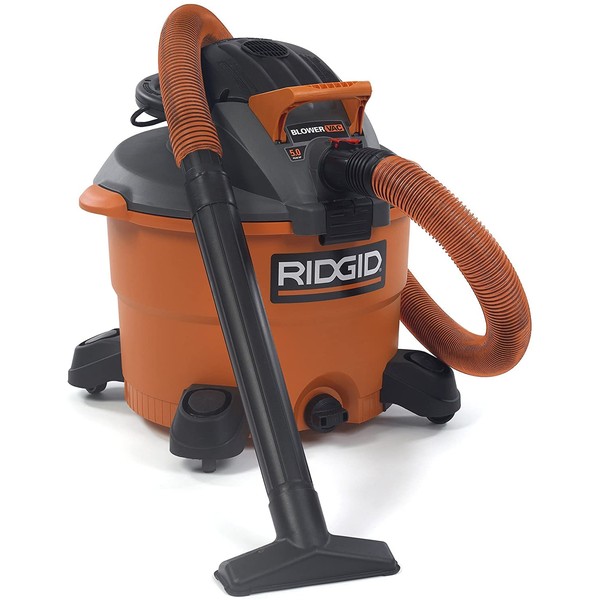
RIDGID 12-Gallon 5.0 Peak HP Heavy-Duty Shop Vac
Best For: High-static pressure tool extraction and cleanups
Est. Price: $109 - $125
"The industry workhorse vacuum for running sanders, routers, and cyclone separators with bulletproof long-term reliability."
- +Heavy-duty 5.0 peak HP motor delivers immense suction through small hoses
- +Durable polypropylene drum withstands heavy jobsite abuse
- +Qwik Lock filter fastening system makes cartridge changes painless
- -Factory stock hose is stiff and benefits from a flexible upgrade
- -High operating noise requires hearing protection during long sessions
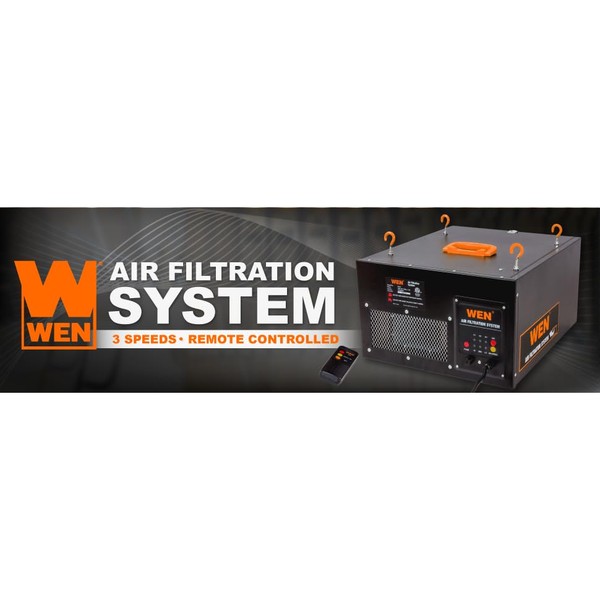
WEN 3-Speed Remote-Controlled Air Filtration System
Best For: Clearing floating sub-micron dust from room air
Est. Price: $135 - $160
"An essential health investment that quietly purifies garage air while you sleep, keeping harmful fine dust out of your lungs."
- +Circulates and cleans up to 400 CFM of room air continuously
- +Dual-filter setup captures 1-micron particles deep out of the atmosphere
- +RF remote control includes 1, 2, and 4-hour automatic shutoff timers
- -Requires overhead ceiling mounting into solid roof framing
- -Outer pre-filters require monthly vacuuming to maintain full airflow
Integrating Clean Air into Your Garage Layout
Managing workshop dust requires thinking about your entire electrical and organizational infrastructure.
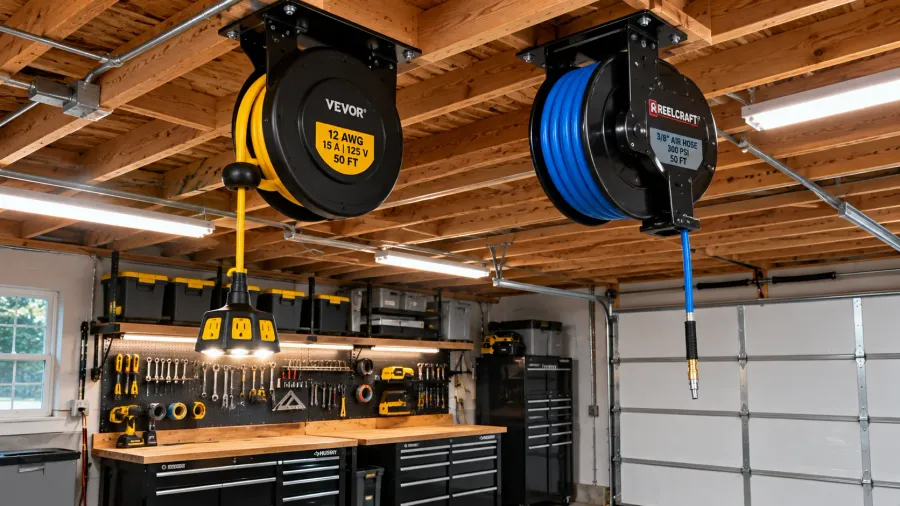
Ensure your mobile dust carts and power tools receive clean, safe power without stringing extension cords across your floor by reviewing our installation guide on overhead retractable cord and hose reels.
Integrate dedicated vacuum ports and tool switches directly into your primary assembly station by following our step-by-step woodworking plans for the wobble-free garage workbench.
Hank Miller
Hank is a master craftsman and DIY mechanic based in Ohio. He tests workshop equipment, garage floor coatings, and power tools under brutal, real-world workshop conditions, with zero paid brand sponsorships.